Self-Cleaning, Self-Sanitising, or Low-Maintenance? Hot Tub Terminology Decoded

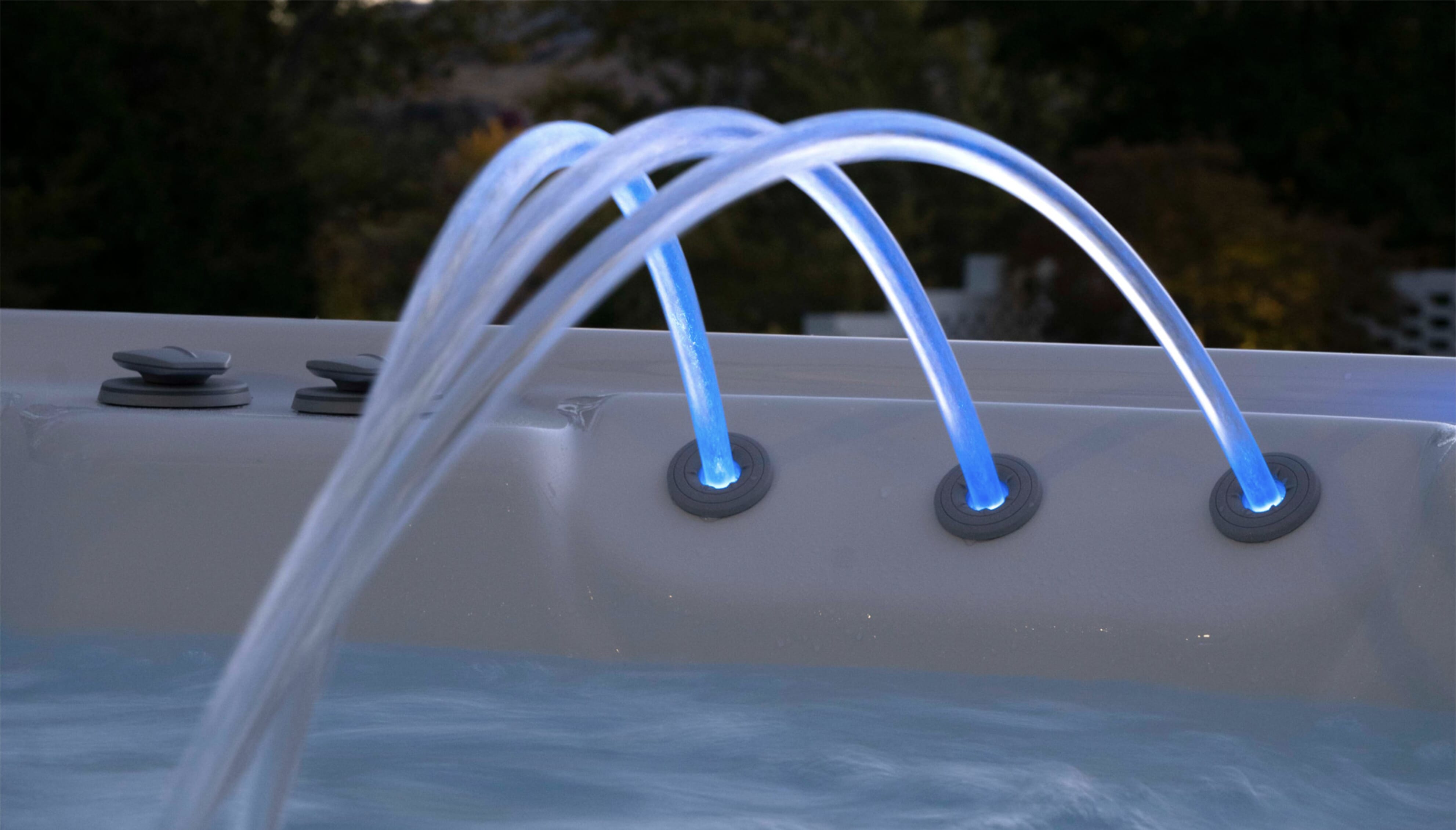
Over the past 20-30 years, hot tub filtration technology has improved drastically with many hot tubs now offering 24/7 circulation, large filtration areas and excellent water surface skimming. The most recent advancement in technology has however come in the sanitising space with in-line dosing, improved water monitoring and the introduction of salt systems. In this article we will cover; what is a self-cleaning hot tub, what is a self-sanitising hot tub and break down some of the technology and terminology involved.
Self-Cleaning Hot Tubs
In very simple terms, a self-cleaning hot tub is a hot tub with a filtration system. The water circulates via a pump and is filtered through filter media (usually a cartridge filter), which cleans the water. So you might ask: Are all hot tubs self-cleaning? Well, 99% of hot tubs have a filtration system, so yes, you could argue they all are. The differences between some hot tubs and others come from the technology and the quality of filtration. For example Hydropool have a patented system, which has a built-in floor vacuum if you find that grit at the bottom of your hot tub is a bug bear. Another example is the Hot Spring Highlife collection, which offers superior Tri-X filtration and No-bypass technology whereby 100% of the water goes through the filtration system with no water going through floor suctions.
It is important to clarify that in hot tub terms, “self-cleaning” does not mean maintenance-free. The self-cleaning element focuses on filtration, but this is a very important part of hot tub ownership. A good filtration system will allow you to use fewer chemicals, help your water last longer, and generally improve the bather experience. Filtration does not, however, replace the need for chemicals. That brings us to sanitising technology and the concept of ‘self-sanitisation’.
Self-Sanitising Hot Tubs
When we refer to sanitising in a hot tub, we are talking about the use of chemicals like chlorine or bromine, which are used to kill bacteria. A self-sanitising hot tub is a hot tub that has a form of in-line sanitisation and/or automatic chemical dosing. The best self-sanitising chemical system is an integrated salt system. By using the salt that is in the water, the electrode produces chlorine which helps clean the water.
At the forefront of hot tub technology is the world's leading hot tub manufacturer, Hot Spring Spas. The Hot Spring FreshWater® Salt System, combined with the FreshWater® IQ monitoring system, is the most complete self-sanitising hot tub system on the market. The salt system uses salt to automatically sanitise your hot tub, while the IQ system helps test and monitor water chemistry levels. Although this system is not 100% maintenance-free — manual adjustments are sometimes required, as well as regular filter cleaning — it significantly simplifies hot tub maintenance and represents a major advancement over traditional 'self-cleaning' filtration systems.
Are Slow-Dissolving Chlorine or Bromine Tablets Self-Sanitising?
In the sense that they release sanitiser gradually over time, slow-dissolving chlorine or bromine tablets do contribute toward a more "hands-off" approach — making them somewhat self-sanitising.
However, they fall short of being truly low-maintenance for several reasons:
- They lack full integration with the hot tub's systems (no automatic adjustment based on usage or water conditions).
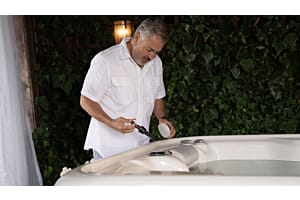
- You still need to regularly monitor levels, adjust the dispenser, and top up tablets.
- Most importantly, the chemicals themselves, especially chlorine tablets, are acidic and will gradually lower your pH (and alkalinity) over time, requiring more frequent balancing. Bromine tablets can have a similar effect, though bromine tends to be more stable and PH neutral.
Additionally, tablets encourage a "set-it-and-forget-it" mentality, which can lead to dangerously high sanitiser levels if left unchecked. Over time, this risks damaging hot tub components like seals, jets, heaters, or covers.
By comparison, many salt water systems (which generate chlorine automatically via electrolysis) include built-in safety features, such as sensors that monitor and regulate sanitiser output, automatic cut-offs to prevent excessive levels, and alerts for imbalances, making them more forgiving if the hot tub is left unattended for a while.
Overall, tablets work well for many users who stay on top of maintenance, but they're not a truly self-sanitising solution like more advanced automated systems.
Comparison Chart
Self-Cleaning Hot Tub |
Self-Sanitising Hot Tub |
|
Water Filtration |
✔ | ✔ |
Automatic Chemical Dosing |
× | ✔ |
Chemical Testing/Monitoring |
× | ✔ |
Low-Maintenance Hot Tubs
If you are a hot tub owner already or if premium collections with all the latest technology such as the Hot Spring Highlife range are out of budget, then don't worry—there are some things you can do to help reduce your hot tub maintenance generally. Here are some tips to make hot tub maintenance easier:
Water Conditioners
Water conditioners are additives that you add to your water to help reduce chemical usage generally, soften the water, and also prevent biofilm build-up in your pipework. These products tend to reduce the time spent on hot tub maintenance, improve water generally, and protect the components in your spa too.
Conditioners like O-Care and Silk Balance are dosed weekly and can be used in any hot tub.
Smart Monitoring Devices
These handy little devices have been introduced to hot tubs over the past few years. The probe sits in your hot tub water and sends water test readings to your phone. This helps with chemical reading visibility. View iopool EcO Smart Water Monitor
Service Plans / Maintenance Contracts
Most reputable hot tub companies offer service contracts. These vary in offering from simple cleaning services to more advanced servicing and component checks. The benefit of these is that you can have trained technicians attend to your hot tub regularly to ensure things are running smoothly, and this can also take the burden of draining and cleaning away. View Happy Hot Tubs Service Plans.