Are Wood-Fired Hot Tubs Really Better Than Electric Hot Tubs?

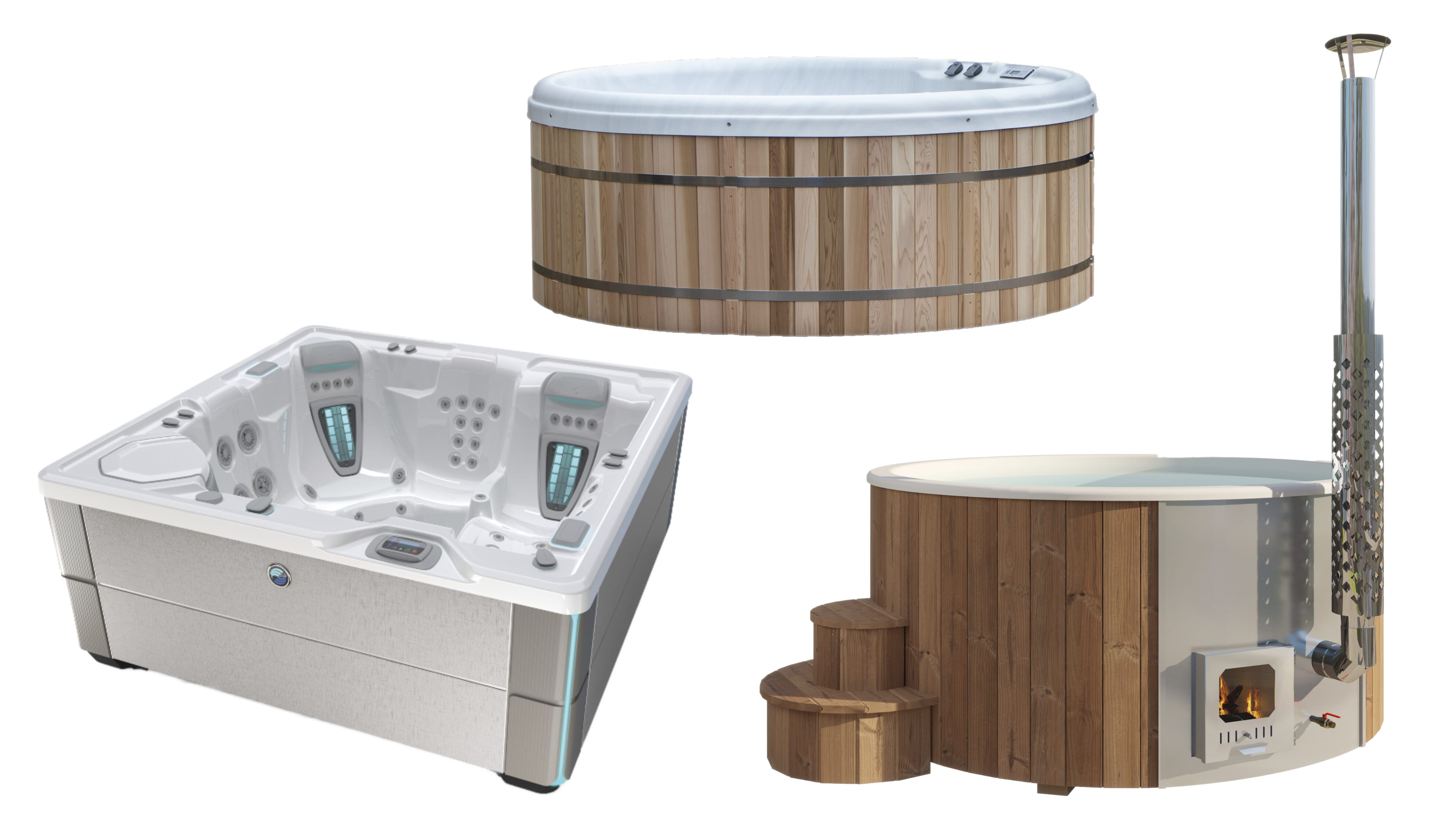
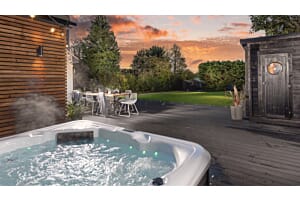
When you think of a wood-burning hot tub, you probably think of a romantic, natural, off-grid experience with eco-friendly roots. A lot of that ambience comes as standard with a wood-fired spa but in this blog post, we want to fight the corner of electric hot tubs and explain why a wood-burning hot tub may not be for you. It is important to state that while we can source wood-fired hot tubs, a lot of the practical points raised in this post are the reasons that we do not currently sell these products.
Manual Temperature Control
On a wood-burning hot tub, the temperature is controlled by adding wood and adjusting the fire so it cannot be set precisely. Factors like wood type, burn rate and outdoor conditions all have a part to play here. This can mean the hot tub is not 'ready-to-use' when you fancy a dip like an electric hot tub and it can also be hard to maintain the temperature in some conditions. Electric hot tubs have full temperature control to help adjust and set temperatures easily.
Temperature Changes affect Water Chemistry
As wood-fired hot tubs have frequent changes in temperature with heating and cooling, water chemistry factors like your PH level can be hard to balance. This can make water treatment more challenging. Electric hot tubs tend to maintain heat at a constant level, which helps with consistent chemical readings.
Frequent Water Changes + Higher Cleaning Demands
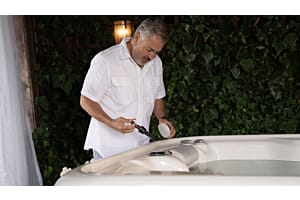
A lot of wood-fired hot tubs have no circulation or filtration, which means they require regular draining and re-filling, which is not only a waste of water but also quite demanding in terms of time and cost. Circulation and filtration is standard in nearly all electric-powered spas so you can retain water for up to a period of 4 months with water treatment. In addition, many electric spas now have in-line sanitisation through features like salt systems, as well as smart water monitoring to help make water maintenance as simple as possible.
Shell Material Causes Chemical Confusion
Some wood-fired hot tubs have acrylic shells, which is the best solution for cleaning and chemical treatment. Those hot tubs that only have a wooden interior can be hard to treat with chemicals. Chemicals like chlorine, which are excellent at keeping us safe while hot tubbing, may not be compatible with wooden-interior spas due to the risk of damage to the wood. This creates confusion over how these hot tubs can be treated.
Cost and Access to Wood
For those customers with easy access to approriate wood to burn, a wood-burning hot tub can be a cost-friendly approach. For those who do not have access to wood, the cost and storage of the wood is an important consideration. Like most fuels, firewood has become more expensive in the past 5-10 years so this cost should be a serious consideration.
Electrical Requirements
Some more modern wood-burning hot tubs have added filtration, circulation and jets, which is great to alleviate some of the concerns over maintenance but these features require a power supply, which does go against the 'off-grid' and 'natural' ambience of a wood-burning spa.
Slower Heating Times
A wood-fired hot tub can take hours to get to temperature, which prevents spontaneous hot tubbing and can even lead to less usage generally as the preperation becomes a barrier to entry. Electric hot tubs tend to stay at a set temperature all the time, which encourages more frequent usage and increases the hydrotherapy benefits.
Electrification is the Future
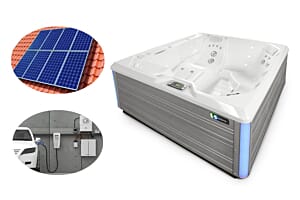
The electrification of UK energy is happening. This is highlighted by the government push for homes to switch from gas to heat pumps, increased solar/battery use and the grid becoming more reliant on renewable energy. Although electricity prices remain high for now, the investment and encouragment that is occuring means that electric products are in line with the long-term energy outlook of the UK.